How to read a crochet pattern (without feeling dumb)
A crochet pattern looks like a wall of tiny letters and numbers the first time you meet one. Sc, dc, ch, rep from *, (2 sc, inc) around. It reads like tax code. That look is where a lot of people quietly decide crochet is not for them.
It is not code. It is a recipe someone wrote in shorthand so it would fit on a page. Once you know what each part is doing, the whole thing goes quiet and simple. Here is the map.
Start at the top: the boring lines that save you
Before any stitches, a good pattern tells you a few things. Skip them at your own risk, because this is where most of the frustration hides.
Skill level. Advanced beginner does not mean you have failed if it feels hard. It means you should know the basic stitches already, and you are about to use them in a slightly new arrangement. Read it as a weather report, not a grade.
Gauge. This is the one people skip and then wonder why their bag came out the size of a hat. Gauge is just how many stitches fit in an inch when you crochet. If the designer gets 4.6 stitches per inch and you get 6, your project will come out smaller than theirs, no matter how carefully you follow every row. You check it by making a small square, measuring it, and adjusting your hook until your numbers match. It takes ten minutes and saves you the heartbreak later.
Materials. Yarn weight, hook size, and any notions. Yarn weight matters more than color here. A worsted pattern made in a lace-weight yarn is a different project entirely.
The abbreviations are just a tiny vocabulary
Every pattern uses shorthand so it does not run twelve pages long. The list is short and it repeats forever, so you learn it fast.
A handful you will see constantly: ch is chain, sc is single crochet, dc is double crochet, sl st is slip stitch, st is stitch, rep is repeat, inc is increase, dec is decrease. Most patterns print their own key near the top. Read it once before you start so you are not decoding mid-row.
One trap worth knowing early: US and UK terms use the same words for different stitches. A US single crochet is a UK double crochet. If a pattern feels off, check which country it came from before you assume you did something wrong.
Asterisks and parentheses: the repeat machine
This is the part that looks the scariest and is actually the most helpful once it clicks.
An asterisk marks a starting point. "Rep from *" means go back to the star and do it all again. So *sc in next 2 st, inc; rep from * around means: two singles, an increase, two singles, an increase, all the way around. The designer wrote it once instead of forty times.
Parentheses or brackets group a set of stitches, usually with a number after them. (2 sc, inc) x 6 means do that little group six times total. Same idea, tidier packaging.
When you hit one of these and freeze, just read it out loud as instructions to yourself. The symbols are only there to save paper.
Special stitches live in their own section
If a pattern uses anything beyond the basics, a good designer explains it once in a special stitches section near the top, then just uses the abbreviation in the rows. When you hit a stitch you do not recognize mid-pattern, go back up and check there first. It is almost always waiting for you.
The quiet secret: patterns assume you will reread
Nobody reads a pattern straight through and gets it. You read a row, you work it, you glance back, you count. Counting your stitches at the end of a round is not a beginner crutch you will grow out of. Experienced crocheters do it every time, because catching an extra stitch now is easier than ripping out four rows later.
Slow is fine here. That is kind of the point.
If you want the math done for you
I built a free tool called Sprig for exactly the moments a pattern gets quiet on you. It has a plain-language guide to reading patterns, plus calculators that do the parts people dread: gauge, resizing a pattern up or down, increases and decreases, hook conversions, and how much yarn a project actually needs. No signup, no ads. You can open Sprig here and poke around.
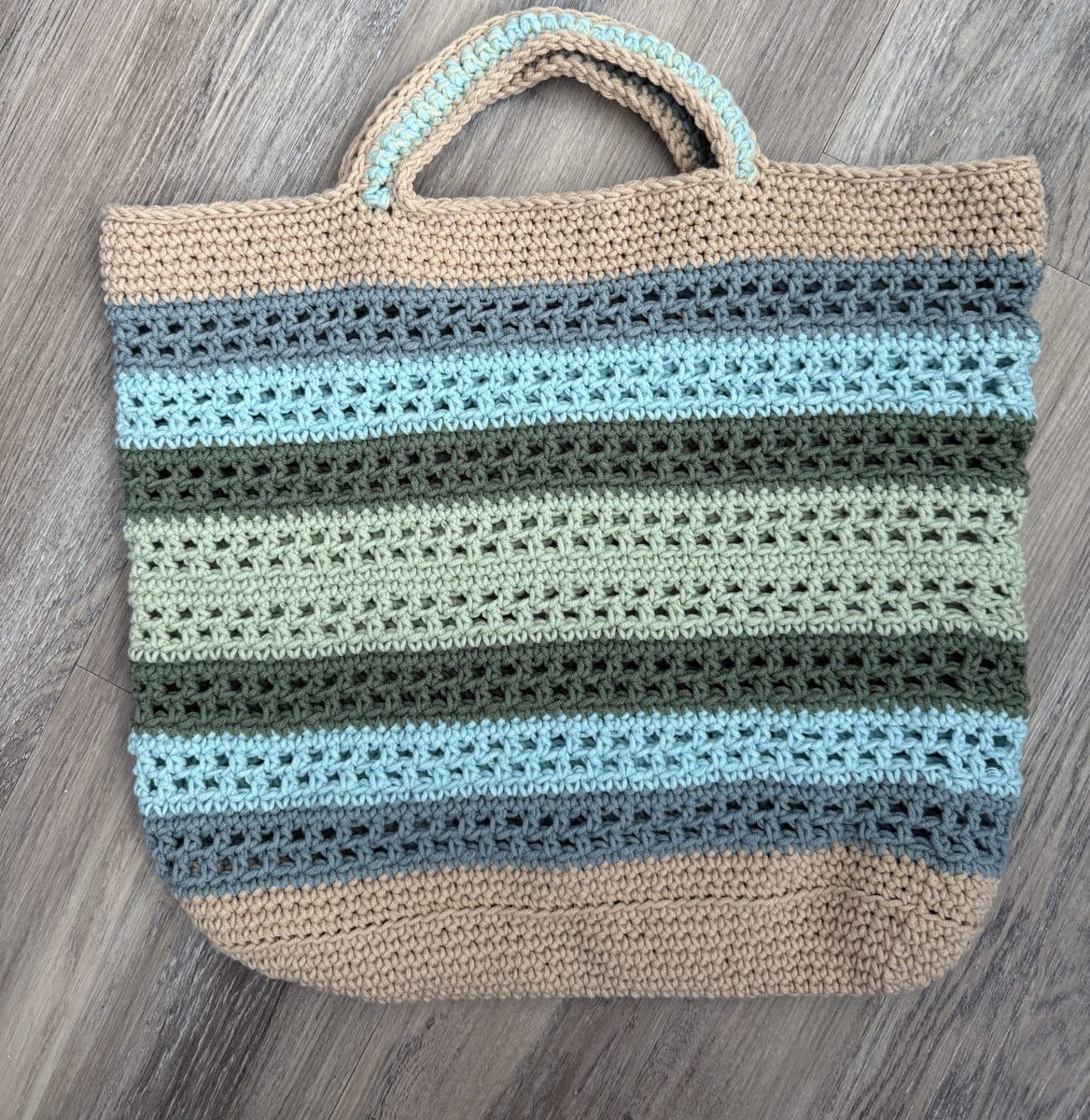
And if you want a real pattern to practice all of this on, the Coastline Tote is free with a Cozy Pine email subscription. It is written for advanced beginners, with every one of these pieces laid out the way I just described, so it doubles as a gentle place to put the reading into practice.
Life's better when it's cozy.